
Using Antique Elements to Elevate Your Outdoor Spaces
Updated: Mar 15
Designing an outdoor space with presence begins with the materials you bring into it. Antique architectural elements introduce substance, history, and craftsmanship. These pieces were built for endurance, shaped by hand, and proven by time. Whether in a garden or on a terrace, they provide structure and atmosphere that make the setting feel grounded and intentional.
Granite Troughs and Stone Fonts
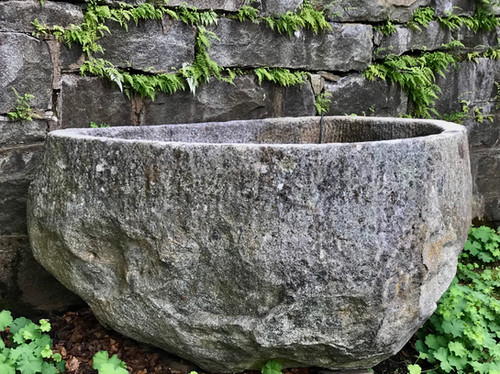
Granite troughs and stone fonts are among the most adaptable antique elements for exterior use. Hand-carved from solid stone, they were made to withstand outdoor exposure. In contemporary landscapes, they transition naturally into planters, water basins, or sculptural anchors.
Granite Fonts as Early Church Vessels
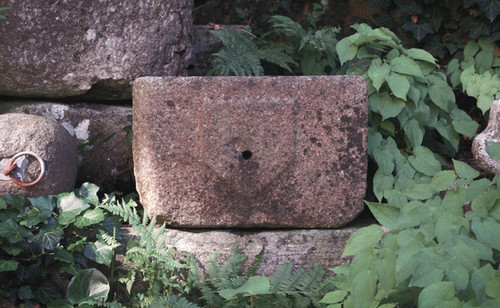
Many granite fonts began as ecclesiastical objects. Smaller wall-mounted versions served as bénitiers, or holy water stoups, placed near church entrances or positioned inside for ritual use. Larger freestanding examples functioned as baptismal fonts, their deep basins designed to hold consecrated water. The softened rims, hand-cut surfaces, and quiet geometry reflect centuries of devotional handling. In a contemporary garden, these pieces bring a similar sense of history and ceremony into the landscape, grounding it with a material shaped for endurance and meaning.
The Natural Aging of Stone
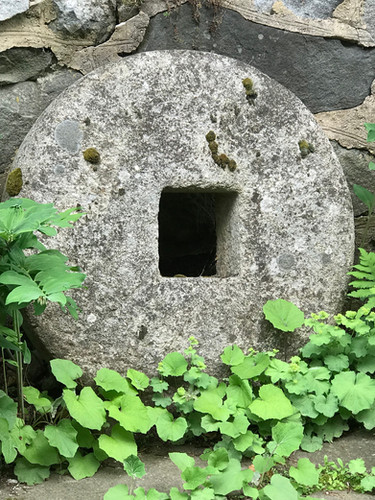
Over time, granite develops a surface history that is both organic and architectural. Subtle colonies of moss and lichen settle into the stone’s pores, softening its geometry without obscuring its form. These growth patterns emerge slowly, shaped by weather, moisture, wind, and light interacting with the mineral structures. The result is a natural patina that gives each piece depth and presence. In a garden setting, this surface evolution allows antique stone to integrate seamlessly into the landscape as if it had always been there.
The Craftsmanship Behind Centuries-Old Granite
A granite piece carved more than a century ago reflects a level of workmanship that feels architectural in its restraint. Each surface was shaped by hand with chisels and mallets, a slow process that required the maker to read the stone and adjust every cut with precision. The weight, density, and natural grain of the granite dictated the rhythm of the work, resulting in a form that is both deliberate and enduring. Built to live outdoors from the start, these pieces have survived because of their inherent strength and quality. When placed in a contemporary landscape, they carry that same permanence and presence forward, continuing to hold their place hundreds of years after their creation.
Architectural Elements as Garden Structure
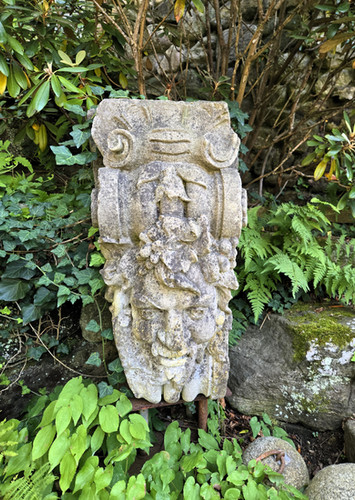
Architectural fragments bring form and geometry to outdoor spaces. Keystones, column bases, capitals, and carved stone elements can serve as focal points, plinths, or markers that define pathways and planting areas. A column base can elevate a planter or sculpture. A keystone set into a wall or used as a freestanding accent adds architectural clarity. Originally fashioned as building supports, these elements are inherently suited to weather and weight. Their survival is evidence of their quality and makes them natural candidates for outdoor environments.
Why Antique Materials Endure
Stone and salvaged architectural elements were made from materials chosen for permanence. Granite and hand-worked metals maintain their integrity over time. Their tool marks, wear patterns, and surface history contribute to their appeal, each piece bearing a story of origin and use. Bringing these elements into a garden introduces that history into the landscape. Choosing antique materials is both an aesthetic decision and an investment in longevity.
Creating a Landscape with History
Incorporating antique elements can imbue contemporary outdoor spaces with depth and character. Granite troughs, once essential to daily life, served countless purposes over the centuries. They held water for farm animals, stored fresh water for a community, preserved food, protected produce and meats from predators, and were used for laundering, bathing children, and even growing flowers. Today, these vessels take on new roles. Some become striking planters; others hold clear water as reflective basins. However they are used, each trough has endured for generations and now stands as a durable, sculptural feature in the garden. Their scale, presence, and surface history allow them to anchor a landscape, bringing both beauty and a sense of continuity to the spaces they inhabit. Each piece is singular, its patina and irregularities adding authenticity and ensuring that the landscapes created today will continue to evolve with integrity for generations to come.
Sourcing Antique Elements
Joseph Stannard Antiques & Design maintains a considered collection of granite troughs, stone fonts, and architectural fragments suited for outdoor use. Each piece is selected for its craftsmanship, surface history, and structural integrity. For designers and homeowners looking to introduce authenticity and permanence into their landscapes, these materials offer a way to build with elements that have already demonstrated their endurance.



Comments